

Getting people to visit your website is important, but traffic alone does not grow a business. What matters most is what those visitors do once they arrive. Do they sign up for your newsletter? Request a quote? Book a demo? Add a product to their cart? Complete a purchase?
This is where Conversion Rate Optimization, or CRO, becomes valuable.
CRO is the process of improving your website so more visitors take the actions you want them to take. Instead of focusing only on bringing in more traffic, CRO helps you get better results from the traffic you already have. It turns your website from a place people simply browse into a tool that guides them toward becoming leads, subscribers, or paying customers.
For many businesses, the problem is not always a lack of visitors. The real issue is that visitors leave without taking action. They may not understand the offer, trust the business, find the next step, or have a smooth experience on the page. CRO helps identify and fix those barriers.
In this blog post, we will explain what CRO means, how it works, and why it plays such an important role in turning website visitors into customers.
Conversion Rate Optimization, often called CRO, is the process of improving a website, landing page, or online experience so more visitors take a specific action. That action could be buying a product, filling out a form, signing up for a newsletter, booking a consultation, or clicking a call-to-action button.
In simple terms, CRO helps turn passive website visitors into active customers, leads, or subscribers.
A “conversion” does not always mean a sale. It depends on the goal of the page. For an e-commerce store, a conversion might be a completed purchase. For a service-based business, it might be someone requesting a quote. For a software company, it could be a free trial sign-up or demo booking.
For example, imagine 1,000 people visit your landing page in one month, and 50 of them fill out your contact form. That means your conversion rate is 5%. If you improve the page and 80 people fill out the form the next month from the same amount of traffic, your conversion rate increases to 8%.
That is the power of CRO. It helps you get more results without necessarily needing more visitors.
CRO focuses on understanding what your audience needs, what might be stopping them from taking action, and how your website can make the next step clearer and easier. This may involve improving your headlines, page layout, website copy, forms, buttons, product descriptions, trust signals, or checkout process.
The goal is not to trick people into converting. Good CRO creates a better user experience by making your website more useful, persuasive, and easy to navigate.
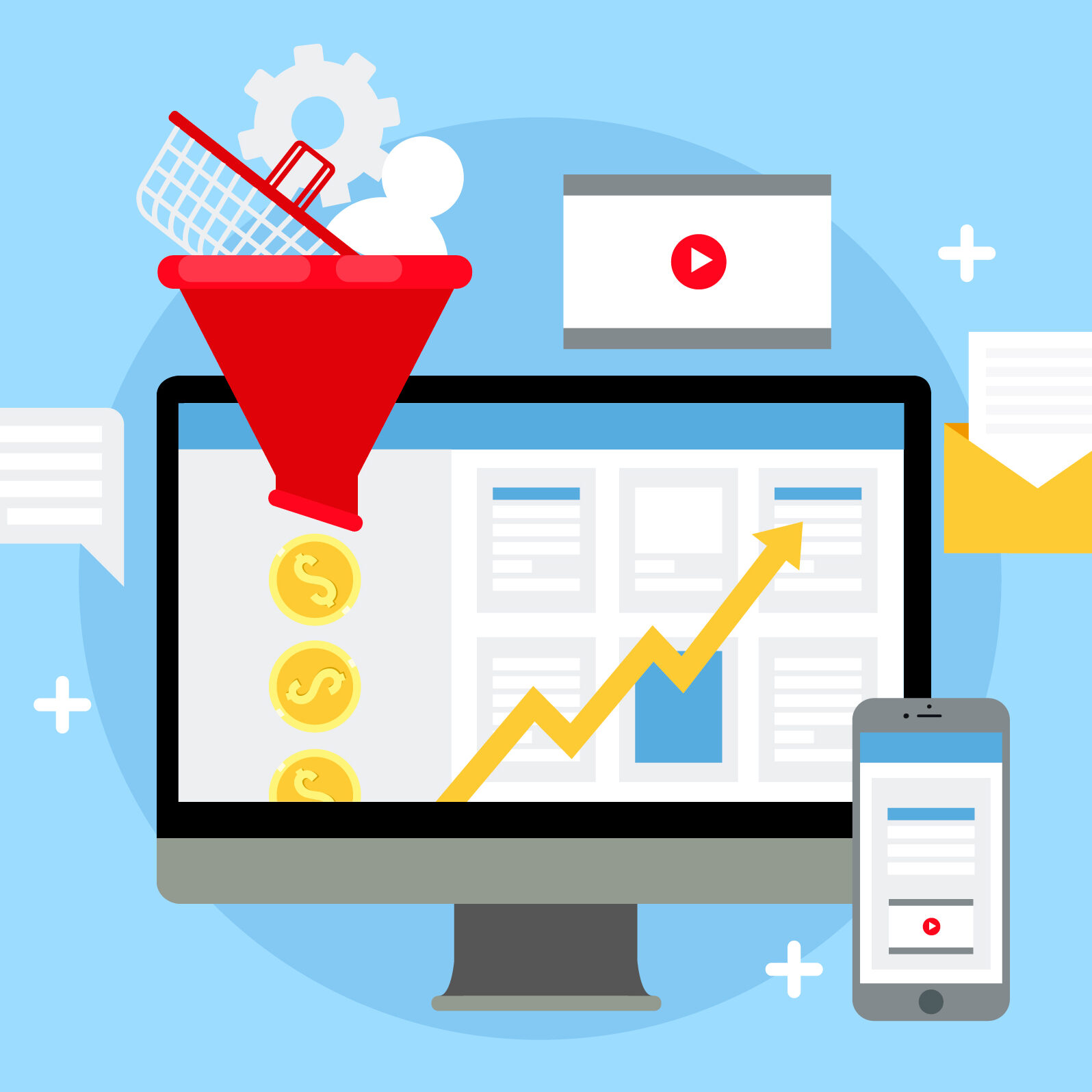
Conversion Rate Optimization works by studying how people use your website, identifying what prevents them from taking action, and making improvements based on real data. Instead of guessing what might work, CRO uses research, testing, and user behavior to guide decisions.
The first step is understanding what visitors are doing on your site. This can include looking at analytics to see which pages get the most traffic, where visitors drop off, how long they stay, and which buttons or links they click. Tools like heatmaps, session recordings, surveys, and user testing can also show how people interact with your pages.
Once you understand user behavior, the next step is finding barriers to conversion. These are the things that make it difficult, confusing, or unappealing for visitors to take the next step. For example, a page may have a weak headline, unclear pricing, too many form fields, slow loading speed, poor mobile design, or a call-to-action button that is hard to find.
After identifying the problem areas, businesses can test improvements. This often involves A/B testing, where two versions of a page are compared to see which one performs better. For example, you might test two different headlines, button colors, page layouts, product descriptions, or sign-up forms.
The version that gets more visitors to take action becomes the better-performing option. Over time, these small improvements can add up to a major increase in leads, sales, and customer engagement.
CRO is not a one-time task. Customer behavior changes, competitors change, and your business goals may change too. That is why CRO works best as an ongoing process of measuring, testing, learning, and improving.
Conversion Rate Optimization is important because it helps businesses get more value from the people who already visit their website. Many companies spend time and money on SEO, social media, paid ads, and content marketing to attract visitors. But if those visitors leave without taking action, the business may not see the results it expected.
CRO helps close that gap.
Instead of only asking, “How can we get more traffic?” CRO asks, “How can we help more of our current visitors become customers?” This makes your marketing efforts more effective because every visitor has a better chance of turning into a lead, subscriber, or buyer.
CRO can also increase revenue without requiring a bigger advertising budget. For example, if your website gets 10,000 visitors a month and 2% become customers, that means 200 conversions. If CRO improves your conversion rate to 3%, you now have 300 conversions from the same amount of traffic. That is 100 more customers without increasing website visits.
Another major benefit of CRO is that it can lower customer acquisition costs. When more visitors convert, you spend less money to generate each lead or sale. This is especially valuable for businesses that rely on paid ads, where every click costs money.
CRO also improves the overall user experience. A website that is clear, fast, easy to navigate, and trustworthy is better for both the business and the visitor. When people can quickly understand your offer and complete the next step without frustration, they are more likely to take action.
In short, CRO is important because it helps businesses grow smarter. It improves results from existing traffic, increases revenue, reduces wasted marketing spend, and creates a better experience for potential customers.

A successful CRO strategy is built around making it easier for visitors to understand your offer, trust your business, and take action. While every website is different, several key elements can help improve conversions.
Your call to action tells visitors what to do next. It should be easy to find, simple to understand, and directly connected to the goal of the page.
Examples include:
If visitors are unsure about the next step, they are more likely to leave without taking action.
Your website copy should quickly explain what you offer and why it matters. Good copy helps visitors understand the value of your product or service without confusion.
Effective CRO copy should:
When visitors understand how your offer helps them, they are more likely to convert.
People are more likely to take action when they trust your business. Trust signals help reduce doubt and make visitors feel more confident.
Common trust signals include:
These elements show visitors that other people have used, trusted, or benefited from your business.
Website speed can have a direct impact on conversions. If a page takes too long to load, visitors may leave before they even see your offer.
To improve page speed, businesses can:
A faster website creates a smoother experience and keeps visitors engaged.
Many visitors browse websites on their phones, so your site must work well on smaller screens. A poor mobile experience can cause users to leave quickly.
A mobile-friendly website should have:
When your website is easy to use on mobile, visitors are more likely to stay and take action.
Long or complicated forms can discourage visitors from converting. The easier the process feels, the more likely people are to complete it.
To simplify forms and checkouts:
A simple process reduces friction and helps more visitors complete the desired action.
Design also plays an important role in CRO. A clean and organized page helps visitors focus on the most important message and action.
Good CRO-focused design should:
The goal is not just to make the page look good, but to make it easier for visitors to decide and act.
CRO is not something you do once and forget. A successful strategy requires ongoing testing, tracking, and improvement.
Businesses can test:
By testing different elements, businesses can learn what works best for their audience and keep improving results over time.

Conversion Rate Optimization can be very effective, but only when it is guided by strategy and data. One common mistake businesses make is changing their website based on personal opinion instead of actual user behavior. A headline, button, or layout may look good to the team, but that does not always mean it will perform well with visitors.
Another mistake is testing too many things at once. If you change the headline, images, form, and call-to-action button all at the same time, it becomes difficult to know which change made the difference. CRO works best when changes are tested carefully so you can clearly understand what improves performance.
Many businesses also ignore mobile users. Since a large number of people browse websites on their phones, a poor mobile experience can hurt conversions. If buttons are hard to tap, forms are difficult to complete, or pages load slowly, visitors may leave before taking action.
Weak calls to action can also reduce conversions. Visitors should immediately understand what step to take next. A vague button like “Submit” or “Click Here” is usually less effective than a clear action such as “Get a Free Quote,” “Start Your Free Trial,” or “Book a Demo.”
Finally, some businesses focus only on design and forget about the bigger user experience. CRO is not just about making a page look attractive. It also involves clear messaging, fast page speed, trust signals, simple forms, and an easy path to conversion.

To know whether your CRO efforts are working, you need to track the right metrics. These numbers help you understand how visitors interact with your website and whether your changes are improving results.
Other helpful metrics include form completion rate, cost per conversion, revenue per visitor, and average order value. Together, these metrics show where visitors are dropping off, how much each conversion costs, and how much value your website is generating.
The goal is not to track every number possible. The goal is to focus on the metrics that connect directly to your business objectives, whether that is more sales, leads, demo bookings, free trials, or newsletter sign-ups.
To better understand how CRO works, imagine a software company that gets steady traffic to its pricing page. Many visitors are interested enough to view the page, but only a small percentage sign up for a free trial.
Instead of assuming the problem is traffic, the company studies how users behave on the page. They notice that many visitors scroll through the pricing plans but leave before clicking the “Start Free Trial” button. This suggests that people may be interested but still unsure about taking the next step.
After reviewing the page, the company identifies a few possible issues. The headline does not clearly explain the value of the product, the call-to-action button is not very visible, and there are no customer testimonials near the pricing section. The sign-up form also asks for too much information upfront.
To improve the page, the company tests a few changes. They rewrite the headline to focus on the main benefit, make the call-to-action button clearer, add customer testimonials, and shorten the sign-up form.
After running the test, the updated page gets more free trial sign-ups from the same amount of traffic. The company does not need to spend more on ads or attract more visitors. It simply makes the page easier to understand, more trustworthy, and easier to act on.
This is the value of CRO. Small improvements to the user experience can help more visitors become leads, customers, or subscribers.
Conversion Rate Optimization is one of the most effective ways to turn website visitors into customers. Instead of focusing only on getting more traffic, CRO helps you make better use of the traffic you already have.
By improving your website copy, calls to action, page speed, mobile experience, trust signals, and overall user journey, you can make it easier for visitors to understand your offer and take the next step.
CRO is important because it helps businesses increase leads, sales, and revenue without always needing to spend more on advertising. It also improves the user experience, reduces friction, and helps you make smarter decisions based on real data instead of guesswork.
The best results come when CRO is treated as an ongoing process. Customer behavior changes, market conditions change, and your business goals may change too. By continually testing, learning, and improving, your website can become a stronger tool for business growth.
In the end, CRO is not just about improving numbers. It is about creating a better experience that helps the right visitors become confident customers.

In the fast-paced world of SaaS, organic growth might seem like the holy grail. Building genuine connections and attracting users through high-quality content and SEO prowess is undoubtedly valuable. But let’s face it, organic growth takes time, and for startups or companies striving for exponential scaling, paid advertising can be a potent growth accelerator.
While organic and paid advertising work best in tandem, mastering the paid realm offers distinct advantages:
But navigating the complex world of paid advertising can be daunting, especially for SaaS companies. This guide dives into key strategies to help you craft winning paid advertising campaigns for explosive SaaS growth:
Define Your Ideal Customer Persona:
Before diving into platforms and tactics, crystallize your target audience. Create detailed buyer personas that capture their demographics, pain points, online behavior, and decision-making process. This understanding will guide your ad targeting, messaging, and creative development.
Choose the Right Platforms:
The plethora of advertising platforms can be overwhelming. Start by assessing your target audience and their preferred channels. Popular options for SaaS include:

Effective ad copy is the cornerstone of successful campaigns. Focus on clear, concise messaging that resonates with your target audience. Highlight your unique value proposition and address their pain points directly. Remember:
Don’t send users to your homepage after clicking your ad. Create dedicated landing pages tailored to each campaign, ensuring a seamless and relevant experience. Optimize these pages for conversions with clear value propositions, strong calls to action, and user-friendly design.
Leverage Retargeting:
Don’t underestimate the power of retargeting. Capture website visitors who haven’t converted and follow them across the internet with relevant ads, reminding them of your offering and increasing conversion rates.
Utilize Remarketing Lists for Search Ads (RLSA):
Take retargeting a step further by tailoring your search ads to users who have previously interacted with your brand. This increases the likelihood they see your ad when searching for relevant keywords.
 Embrace Video Advertising:
Visuals capture attention, and video ads are particularly effective for SaaS companies. Show your product in action, highlight customer testimonials, and explain complex features in an engaging way.
Track, Analyze, and Optimize:
Paid advertising is an iterative process. Continuously monitor your campaign performance, analyze key metrics like click-through rates, conversion rates, and cost per acquisition. Use this data to identify areas for improvement and optimize your campaigns for better results.
Consider Partnering with Influencers:
Partnering with industry influencers can be a powerful way to reach a targeted audience and build trust. Choose influencers whose audience aligns with your ideal customer persona and collaborate on content creation or sponsored promotions.
Experiment and Stay Innovative:
Don’t be afraid to experiment with different platforms, ad formats, and targeting options. The advertising landscape is constantly evolving, so stay informed about new trends and be willing to test innovative approaches.
Focus on customer success: Provide excellent customer support and onboard new users effectively to ensure they find value and stay subscribed

Creating an online income can be an exciting and rewarding endeavor. However, it also comes with its challenges, especially when it comes to staying motivated and avoiding burnout. The mental game of online income involves managing your mindset, finding motivation, and implementing strategies to prevent burnout. In this article, we will explore various techniques and practices that can help you stay motivated and maintain a healthy work-life balance while pursuing online income.
The pursuit of online income can be mentally demanding. Often, individuals working online face unique challenges such as isolation, self-discipline, and the pressure to constantly prove oneself in a competitive online marketplace.
To overcome these challenges, it’s important to understand that the mental game plays a crucial role in your success. Building a strong mindset, finding intrinsic motivation, and establishing healthy habits can help you stay on track and avoid burnout.

A strong mindset is essential when it comes to the mental game of online income. It involves developing resilience, embracing challenges, and maintaining a positive attitude despite setbacks.
One effective approach is to reframe failures as learning opportunities. Instead of getting discouraged by mistakes or setbacks, view them as valuable lessons that can help you improve and grow. Cultivating a growth mindset allows you to see challenges as stepping stones to success.
Another important aspect of a strong mindset is practicing gratitude. Take a moment each day to reflect on what you are grateful for in your online income journey. This practice can help shift your focus from what’s not working to what is working, boosting your motivation and mental well-being.
Motivation is key to maintaining momentum in your online income journey. While external factors like financial rewards and success can provide temporary motivation, it’s intrinsic motivation that will keep you going over the long term.
Take the time to identify your “why” – the deep-rooted reasons behind your pursuit of online income. What drives you? Is it the desire for financial freedom, the ability to work on your own terms, or a passion for your chosen field? By connecting with your intrinsic motivation, you can tap into a source of sustainable energy and drive.
Keep your “why” visible and regularly revisit it as a reminder of what you are working towards. Visual cues like vision boards or written affirmations can serve as powerful motivation boosters during moments of doubt or fatigue.
Setting clear and realistic goals is essential for staying motivated and avoiding burnout. Break down your larger income goals into smaller, manageable milestones. Each milestone achieved can provide a sense of accomplishment and fuel further motivation.
It’s also important to prioritize your tasks and manage your time effectively. Online income pursuits can often involve multiple projects or streams of income, which can lead to overwhelm and burnout if not properly managed. Use productivity tools and techniques, such as time blocking or the Pomodoro Technique, to stay focused and organized.
Remember, it’s okay to say no and set boundaries. Prioritize tasks that align with your long-term goals and value your time. By setting realistic goals and prioritizing effectively, you can reduce the risk of burnout and maintain a healthy work-life balance.

Building a supportive environment is crucial for maintaining motivation and avoiding burnout. Surround yourself with like-minded individuals who understand the challenges of online income pursuits and can provide encouragement or guidance.
Online communities, such as forums or social media groups, can be great sources of support. Engage with others, share your experiences, and seek advice when needed. Connecting with others who are on a similar journey can help you feel less isolated and provide valuable insights and perspectives.
It’s also important to communicate your needs to friends and family members. Let them know about your online income pursuits and the specific challenges you face. By setting expectations and receiving support from loved ones, you can create a more positive and understanding environment.
Maintaining good mental and physical well-being is essential when it comes to the mental game of online income. It’s easy to neglect self-care when you’re focused on building your online income, but neglecting your well-being can lead to burnout and decreased motivation.
Prioritize activities that support your mental and physical health, such as exercise, meditation, or hobbies. Make time for breaks and relaxation. Remember, taking breaks can actually enhance productivity and creativity.
Ensure that you are getting enough sleep and paying attention to your nutrition. A well-rested body and a nourished mind are better equipped to tackle the challenges of online income and stay motivated.
The mental game of online income is just as important as the technical aspects of building an online income. By cultivating a strong mindset, finding intrinsic motivation, setting goals and priorities, creating a supportive environment, and taking care of your mental and physical well-being, you can stay motivated and avoid burnout.
Remember that building an online income is a journey, and there will be ups and downs along the way. Stay committed to your vision, stay flexible in your approach, and stay connected to your intrinsic motivation. With the right mindset and strategies, you can succeed in the online income world while maintaining a healthy work-life balance.

The internet holds a vast landscape of opportunities, promising financial freedom and entrepreneurial dreams. However, for many, navigating this landscape can be riddled with obstacles. Individuals with disabilities, diverse backgrounds, and limited resources often face barriers that hinder their ability to participate in the online economy.
This article aims to break down these barriers and empower everyone to explore the limitless possibilities of making money online, with a focus on accessibility and inclusivity.
The diversity of human experience presents a wealth of untapped potential. By creating online businesses that are accessible and inclusive, we unlock countless benefits:
Creating an accessible online experience is not just the right thing to do; it’s also good business. Here are some key practices to implement:
Website and Content:


There are numerous online business models that naturally lend themselves to inclusivity:
Virtual assistant services: Offer remote administrative, technical, or creative assistance to businesses or individuals.

Imposter syndrome is a psychological pattern in which an individual doubts their accomplishments and has a persistent fear of being exposed as a fraud. This syndrome can be particularly prevalent in the online world, where individuals often compare themselves to others and feel inadequate. However, it is possible to overcome imposter syndrome and build confidence and success online. In this article, we will explore various strategies and techniques to overcome imposter syndrome and thrive in the online world.
Imposter syndrome can manifest in various ways, such as feeling like a fraud, doubting one’s abilities, and attributing success to luck rather than skill. In the online world, imposter syndrome can be exacerbated by the constant exposure to others’ achievements and the pressure to present oneself as successful.
To overcome imposter syndrome, it is essential to understand that many successful individuals experience these feelings. Recognizing that imposter syndrome is a common phenomenon can help to normalize these feelings and take steps towards building confidence.
One way to combat imposter syndrome is to embrace your uniqueness and recognize your strengths. In the online world, there are countless individuals with similar skills and interests, but what sets you apart is your unique perspective and experiences.
Take the time to reflect on your accomplishments and skills. Consider the challenges you have overcome and the unique perspective you bring. By acknowledging your strengths and embracing your uniqueness, you can build confidence and overcome imposter syndrome.

Setting realistic goals is essential for building confidence and achieving success in the online world. When setting goals, it is important to consider your capabilities and the resources available to you. Setting unrealistic goals can lead to feelings of inadequacy and reinforce imposter syndrome.
Break down your bigger goals into smaller, achievable tasks. Celebrate each milestone along the way, and acknowledge your progress. By setting realistic goals and focusing on achievable tasks, you can build confidence and overcome imposter syndrome.
Seek Support and Community
Building a support network is crucial for overcoming imposter syndrome. Surround yourself with individuals who uplift and encourage you. Seek out online communities of like-minded individuals who can offer support and guidance.
Engaging with others who share similar interests and goals can help to normalize imposter syndrome feelings and provide a sense of belonging. Connecting with others who have overcome imposter syndrome can be especially valuable, as they can share their experiences and strategies for building confidence and success.

Self-compassion is an essential aspect of overcoming imposter syndrome. Treat yourself with kindness and understanding when experiencing self-doubt. Be mindful of your self-talk and challenge negative thoughts.
Acknowledge that everyone makes mistakes and experiences setbacks. Instead of dwelling on failures, focus on the lessons learned and the progress made. By practicing self-compassion, you can build resilience and overcome imposter syndrome.
The online world is constantly evolving, and it is crucial to continuously learn and grow to stay relevant and confident. Invest in your personal and professional development by taking online courses, attending webinars, or reading books on topics of interest.
By staying informed and expanding your knowledge, you can build confidence in your abilities and feel more secure in the online world. Embrace opportunities for growth and challenge yourself to step outside your comfort zone.

One effective way to combat imposter syndrome is to celebrate your achievements, no matter how small they may seem. Take the time to acknowledge and appreciate your accomplishments. Celebrate milestones, whether it’s reaching a certain number of followers, completing a project, or receiving positive feedback.
By celebrating your achievements, you reinforce your belief in your abilities and build confidence. Recognize that your successes are a result of your skills and hard work, rather than luck or chance.
Imposter syndrome is a common experience in the online world, but it is possible to overcome it and build confidence and success. By embracing your uniqueness, setting realistic goals, seeking support, practicing self-compassion, continuously learning, and celebrating your achievements, you can overcome imposter syndrome and thrive in the online world.
Remember, building confidence and success takes time and effort. Be patient with yourself and remember that you are capable of achieving great things. Harness the power of the online world to connect with others, learn from their experiences, and grow personally and professionally. You have the ability to overcome imposter syndrome and achieve your goals in the online world!

In the ever-evolving digital landscape, relying solely on one online income stream can be a risky proposition. Today’s booming trend might fade tomorrow, leaving you scrambling to catch up. Fortunately, proactive individuals can future-proof their online income by staying ahead of the curve and embracing emerging opportunities. This guide will equip you with the knowledge and actionable tips to adapt, diversify, and thrive in the face of digital changes.
The online world is not static. Platforms rise and fall, algorithms shift, and consumer preferences evolve at breakneck speed. Just think of social media giants like MySpace or Vine, once dominant forces now relegated to the annals of internet history. What does this mean for your online income? Complacency is your enemy. Sticking to one outdated method or platform can leave you vulnerable to sudden drops in income or even complete obsolescence.
To anticipate change, you need to understand the driving forces. Here are some key trends to keep an eye on:

Now that you have a grasp of the evolving landscape, it’s time to take action. Here are some strategies to future-proof your online income:
Don’t put all your eggs in one basket. Explore different ways to make money online. This could include:
Stay relevant by continuously learning new skills and adapting to technological advancements. Take online courses, attend workshops, and network with other professionals to stay ahead of the curve. Consider learning in-demand skills like AI, blockchain technology, or virtual reality development.
Explore how new technologies like AI, the Metaverse, and Web3 can enhance your online income potential. For example, you could use AI to create personalized content, participate in the Metaverse economy, or leverage Web3 for decentralized commerce.
Develop a loyal audience by providing valuable content, interacting with them regularly, and fostering a sense of belonging. This will make your online business more resilient to changes in algorithms or platforms.
Offer customized experiences to your audience, tailoring your content, products, and services to their specific needs and preferences. This will help you stand out from the competition and build stronger relationships with your customers.
Keep yourself updated on the latest trends, news, and developments in the online space. Read industry blogs, attend webinars, and connect with other online entrepreneurs to stay ahead of the curve and anticipate changes.

Accept that change is inevitable and be prepared to adapt your strategies as needed. Don’t be afraid to experiment, learn from your mistakes, and pivot your online business in response to new opportunities and challenges.
Remember: Future-proofing your online income is not a one-time event, but an ongoing process. By continuously learning, adapting, and embracing new trends, you can ensure your online business thrives in the ever-evolving digital landscape.
Network with other online entrepreneurs: Collaborate, share knowledge, and support each other in your online endeavors.

Now, let’s unveil the key metrics that act as your gold nuggets:
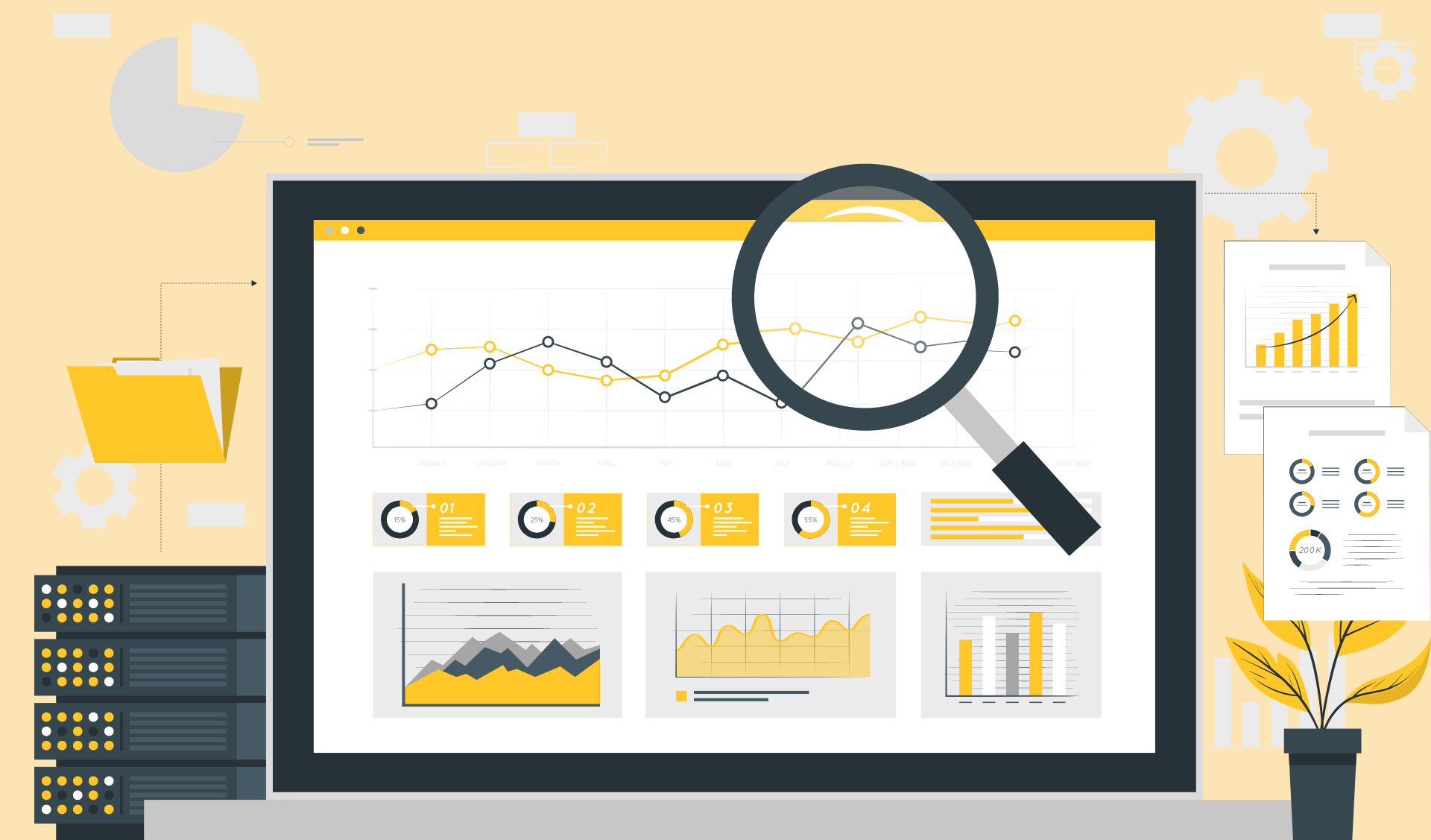
With your treasure map ready, let’s unlock the power of data-driven optimization:
Remember, data-driven optimization is an ongoing journey, not a one-time destination. Regularly monitor your key metrics, analyze trends, and adapt your strategies accordingly. Embrace small, iterative changes based on data insights, and over time, you’ll witness a significant increase in your online income.
While data plays a crucial role, don’t neglect the human element. Qualitative feedback from customers, surveys, and focus groups can offer valuable insights that complement quantitative data. Use a balanced approach to gain a holistic understanding of your audience and optimize your offerings effectively.
Conclusion:
By embracing data-driven decision-making, you unlock the power to transform your online ventures into flourishing enterprises. Equip yourself with the right tools, track key metrics, and implement optimization strategies based on insights

.jpg)
The world of online collaboration offers a variety of avenues to explore. Here are some common partnership models:
Finding the right partner is crucial. Look for businesses that share your target audience, values, and long-term vision. Here are some steps to follow:

The power of online business partnerships is evident in countless success stories. Here are a few examples:
In a fiercely competitive online landscape, collaboration is not just an option, it’s a strategic imperative. By joining forces with the right partners, you can unlock exciting opportunities for mutual growth, expand your reach, enhance your brand image, and drive innovation. So, step outside the silo, embrace the power of collaboration, and watch your online business reach new heights together.