
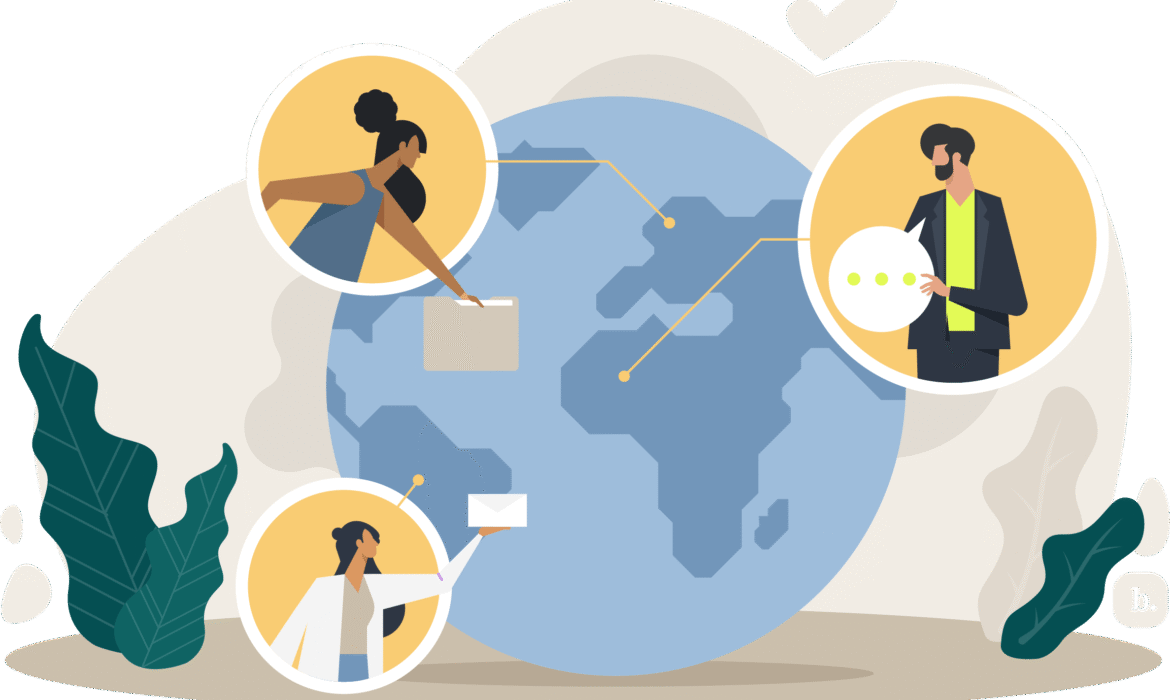
The digital age has revolutionized the way we work, offering flexibility and accessibility like never before. However, this constant connectivity also blurs the lines between work and personal life, leading to burnout, stress, and an erosion of well-being. Striking a healthy work-life balance in this ever-connected world has become an essential challenge. This article explores the unique challenges of online work in the digital age and provides practical strategies for creating sustainable boundaries and fostering a thriving work-life balance.
The Perils of Perpetual Connectivity:
One of the biggest hurdles in the digital age is the illusion of constant availability. Smartphones, laptops, and work applications offer a never-ending stream of notifications, emails, and messages, creating a persistent pressure to be “on” 24/7. This constant connectivity makes it difficult to truly disconnect, leading to:
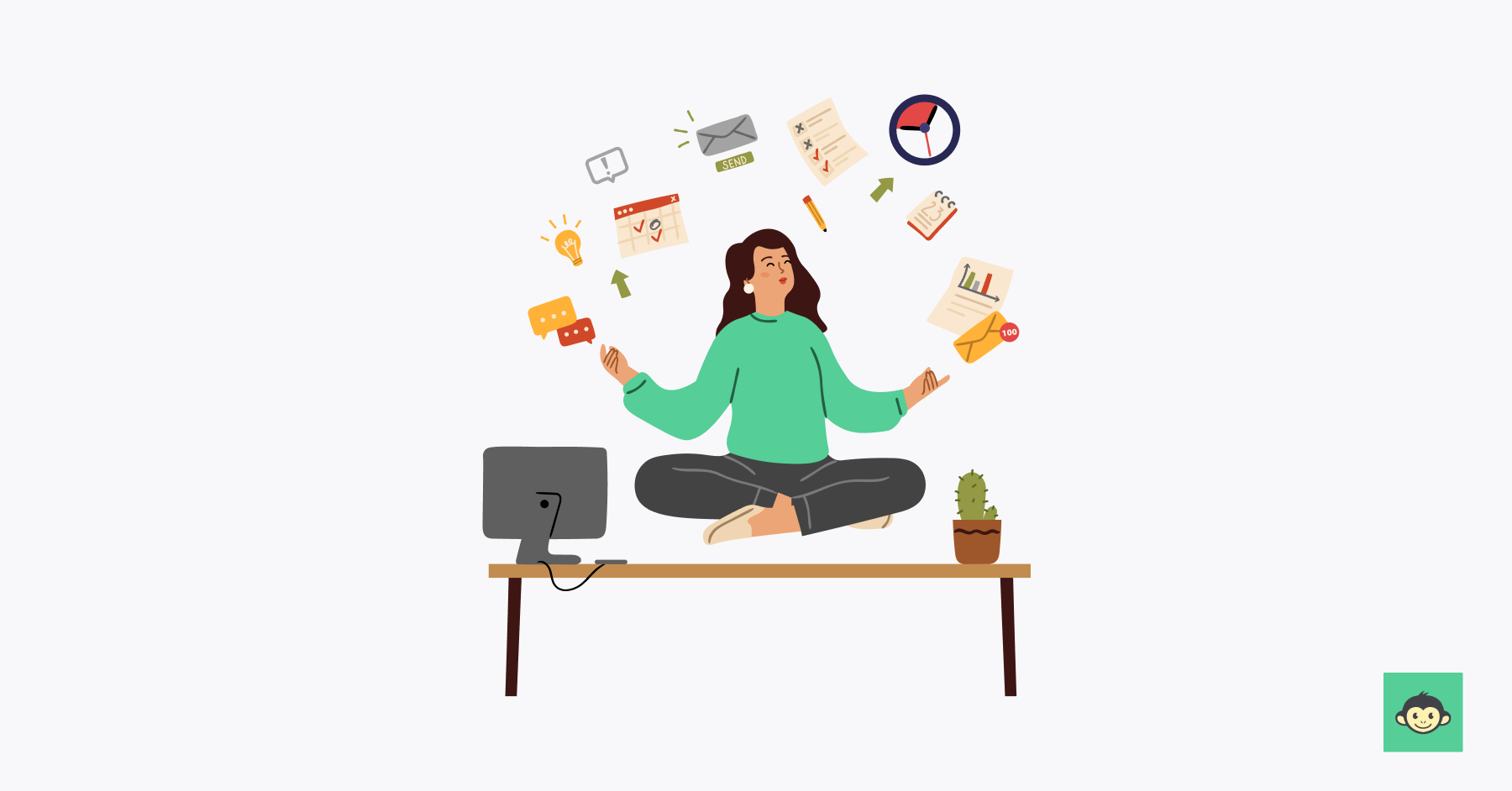
- Burnout: The feeling of emotional, physical, and mental exhaustion caused by prolonged or excessive stress.
- Distractedness: The inability to focus on tasks due to a constant influx of work-related notifications.
- Poor sleep quality: Exposure to blue light emitted from screens before bed disrupts sleep patterns, impacting energy levels and cognitive function.
- Weakened relationships: Neglecting personal connections due to prioritizing work can strain relationships with loved ones.

Crafting Sustainable Boundaries:
To counteract these challenges and achieve a sustainable work-life balance, establishing clear boundaries between work and personal life is crucial. Here are some key strategies:
Define and Communicate Work Hours:
- Set specific work hours: Clearly define your working hours and stick to them as much as possible. Communicate these hours to colleagues, clients, and loved ones to manage expectations.
- Utilize out-of-office functionality: Set automatic replies on emails and messaging platforms outside of work hours, indicating your unavailability and next response timeframe.
- Avoid checking work after hours: Unless it’s a genuine emergency, resist the urge to check emails or messages outside of your designated work time.
Create a Dedicated Workspace:
- Establish a physical workspace: Designate a specific area in your home as your workspace. This helps signal to you and others that it’s time for work.
- Minimize distractions: Ensure your workspace is free from clutter and distractions like personal devices or televisions.
- Utilize time management tools: Employ tools like calendar apps, to-do lists, and time trackers to manage your workload efficiently within your designated work hours.
- Prioritize and Manage Time Effectively:
- Prioritize tasks: Evaluate your tasks based on their importance and urgency, focusing on high-priority tasks during your most productive hours.
- Avoid multitasking: Multitasking can actually decrease productivity. Focus on one task at a time to avoid errors and enhance performance.
- Take breaks: Schedule regular breaks throughout your workday to move around, stretch, and refocus your mind. This helps prevent fatigue and boosts concentration.

Embrace Disconnection:
- Schedule “offline” time: Dedicate specific periods for disconnecting from work entirely. Turn off notifications, silence your phone, and engage in activities unrelated to work.
- Utilize digital detox tools: Explore apps or browser extensions that block access to work-related websites and notifications during designated offline periods.
- Prioritize sleep: Establish a consistent sleep schedule and create a relaxing bedtime routine to ensure quality sleep, essential for energy and focus.
- Foster Supportive Relationships:
- Communicate needs: Openly communicate your need for work-life balance with your colleagues, manager, and loved ones. Seek their understanding and support in respecting your boundaries.
- Delegate and leverage resources: Don’t be afraid to delegate tasks or seek help when needed. Don’t overload yourself and utilize available resources for efficient workload management.
- Set realistic expectations: Acknowledge that achieving perfect work-life balance is an ongoing process. Be kind to yourself, celebrate small victories, and avoid falling into the trap of all-or-nothing thinking.
Beyond Individual Action:
While individual effort is key, organizations also play a crucial role in fostering a healthy work-life balance for their employees. Implementing flexible work arrangements, encouraging communication about boundaries, and offering mental health resources can significantly contribute to employee well-being and productivity.
Remember:
Creating sustainable boundaries is not about shutting yourself off entirely; it’s about establishing healthy limits to nurture both your professional and personal life. By incorporating these strategies, you can navigate the complex landscape of online work in the digital age while safeguarding your well-being and achieving a thriving work-life balance.