


Getting people to visit your website is important, but traffic alone does not grow a business. What matters most is what those visitors do once they arrive. Do they sign up for your newsletter? Request a quote? Book a demo? Add a product to their cart? Complete a purchase?
This is where Conversion Rate Optimization, or CRO, becomes valuable.
CRO is the process of improving your website so more visitors take the actions you want them to take. Instead of focusing only on bringing in more traffic, CRO helps you get better results from the traffic you already have. It turns your website from a place people simply browse into a tool that guides them toward becoming leads, subscribers, or paying customers.
For many businesses, the problem is not always a lack of visitors. The real issue is that visitors leave without taking action. They may not understand the offer, trust the business, find the next step, or have a smooth experience on the page. CRO helps identify and fix those barriers.
In this blog post, we will explain what CRO means, how it works, and why it plays such an important role in turning website visitors into customers.
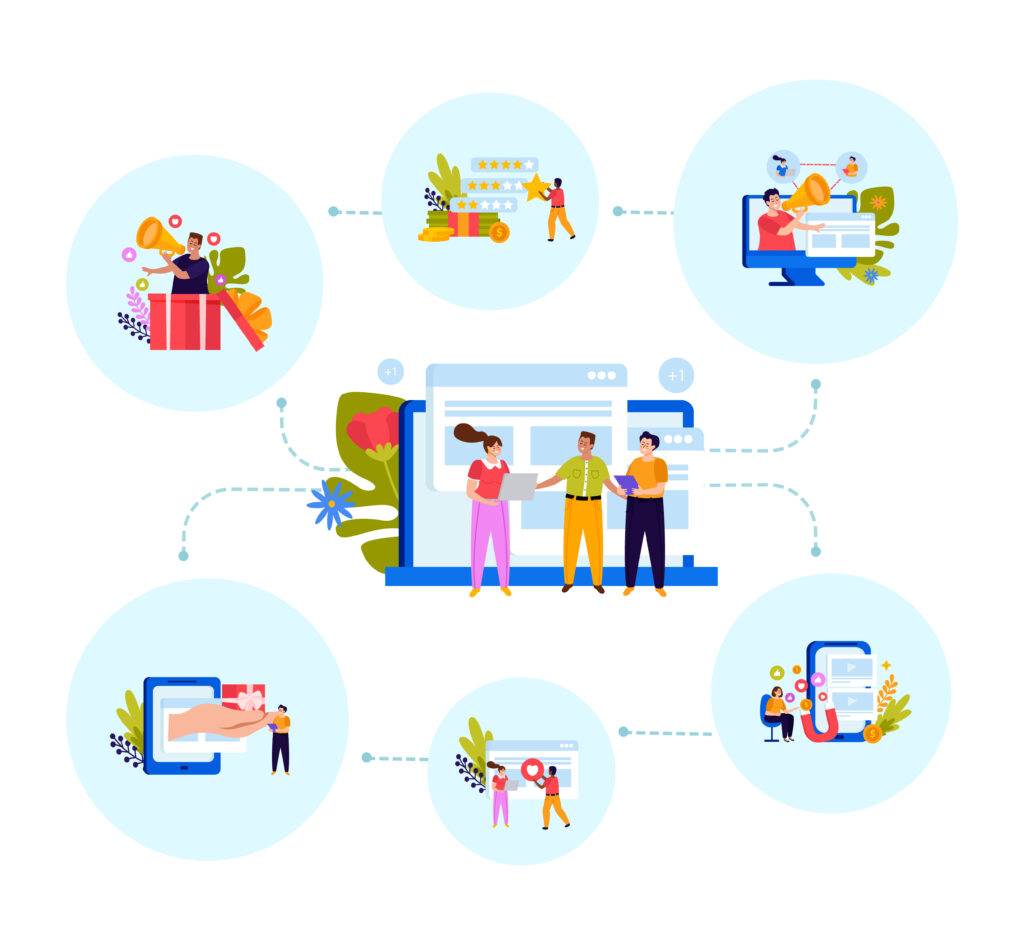
Conversion Rate Optimization, often called CRO, is the process of improving a website, landing page, or online experience so more visitors take a specific action. That action could be buying a product, filling out a form, signing up for a newsletter, booking a consultation, or clicking a call-to-action button.
In simple terms, CRO helps turn passive website visitors into active customers, leads, or subscribers.
A “conversion” does not always mean a sale. It depends on the goal of the page. For an e-commerce store, a conversion might be a completed purchase. For a service-based business, it might be someone requesting a quote. For a software company, it could be a free trial sign-up or demo booking.
For example, imagine 1,000 people visit your landing page in one month, and 50 of them fill out your contact form. That means your conversion rate is 5%. If you improve the page and 80 people fill out the form the next month from the same amount of traffic, your conversion rate increases to 8%.
That is the power of CRO. It helps you get more results without necessarily needing more visitors.
CRO focuses on understanding what your audience needs, what might be stopping them from taking action, and how your website can make the next step clearer and easier. This may involve improving your headlines, page layout, website copy, forms, buttons, product descriptions, trust signals, or checkout process.
The goal is not to trick people into converting. Good CRO creates a better user experience by making your website more useful, persuasive, and easy to navigate.
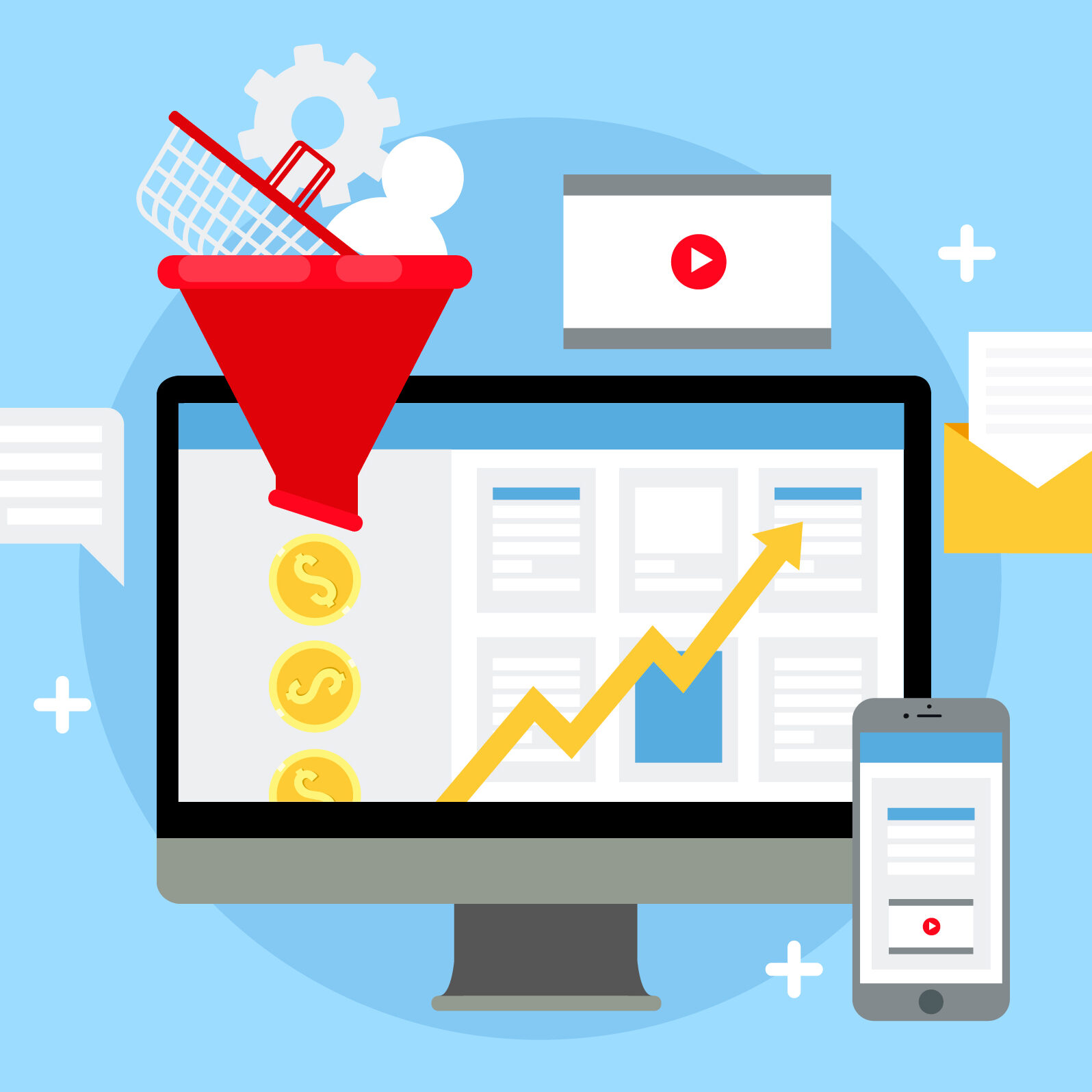
Conversion Rate Optimization works by studying how people use your website, identifying what prevents them from taking action, and making improvements based on real data. Instead of guessing what might work, CRO uses research, testing, and user behavior to guide decisions.
The first step is understanding what visitors are doing on your site. This can include looking at analytics to see which pages get the most traffic, where visitors drop off, how long they stay, and which buttons or links they click. Tools like heatmaps, session recordings, surveys, and user testing can also show how people interact with your pages.
Once you understand user behavior, the next step is finding barriers to conversion. These are the things that make it difficult, confusing, or unappealing for visitors to take the next step. For example, a page may have a weak headline, unclear pricing, too many form fields, slow loading speed, poor mobile design, or a call-to-action button that is hard to find.
After identifying the problem areas, businesses can test improvements. This often involves A/B testing, where two versions of a page are compared to see which one performs better. For example, you might test two different headlines, button colors, page layouts, product descriptions, or sign-up forms.
The version that gets more visitors to take action becomes the better-performing option. Over time, these small improvements can add up to a major increase in leads, sales, and customer engagement.
CRO is not a one-time task. Customer behavior changes, competitors change, and your business goals may change too. That is why CRO works best as an ongoing process of measuring, testing, learning, and improving.
Conversion Rate Optimization is important because it helps businesses get more value from the people who already visit their website. Many companies spend time and money on SEO, social media, paid ads, and content marketing to attract visitors. But if those visitors leave without taking action, the business may not see the results it expected.
CRO helps close that gap.
Instead of only asking, “How can we get more traffic?” CRO asks, “How can we help more of our current visitors become customers?” This makes your marketing efforts more effective because every visitor has a better chance of turning into a lead, subscriber, or buyer.
CRO can also increase revenue without requiring a bigger advertising budget. For example, if your website gets 10,000 visitors a month and 2% become customers, that means 200 conversions. If CRO improves your conversion rate to 3%, you now have 300 conversions from the same amount of traffic. That is 100 more customers without increasing website visits.
Another major benefit of CRO is that it can lower customer acquisition costs. When more visitors convert, you spend less money to generate each lead or sale. This is especially valuable for businesses that rely on paid ads, where every click costs money.
CRO also improves the overall user experience. A website that is clear, fast, easy to navigate, and trustworthy is better for both the business and the visitor. When people can quickly understand your offer and complete the next step without frustration, they are more likely to take action.
In short, CRO is important because it helps businesses grow smarter. It improves results from existing traffic, increases revenue, reduces wasted marketing spend, and creates a better experience for potential customers.

A successful CRO strategy is built around making it easier for visitors to understand your offer, trust your business, and take action. While every website is different, several key elements can help improve conversions.
Your call to action tells visitors what to do next. It should be easy to find, simple to understand, and directly connected to the goal of the page.
Examples include:
If visitors are unsure about the next step, they are more likely to leave without taking action.
Your website copy should quickly explain what you offer and why it matters. Good copy helps visitors understand the value of your product or service without confusion.
Effective CRO copy should:
When visitors understand how your offer helps them, they are more likely to convert.
People are more likely to take action when they trust your business. Trust signals help reduce doubt and make visitors feel more confident.
Common trust signals include:
These elements show visitors that other people have used, trusted, or benefited from your business.
Website speed can have a direct impact on conversions. If a page takes too long to load, visitors may leave before they even see your offer.
To improve page speed, businesses can:
A faster website creates a smoother experience and keeps visitors engaged.
Many visitors browse websites on their phones, so your site must work well on smaller screens. A poor mobile experience can cause users to leave quickly.
A mobile-friendly website should have:
When your website is easy to use on mobile, visitors are more likely to stay and take action.
Long or complicated forms can discourage visitors from converting. The easier the process feels, the more likely people are to complete it.
To simplify forms and checkouts:
A simple process reduces friction and helps more visitors complete the desired action.
Design also plays an important role in CRO. A clean and organized page helps visitors focus on the most important message and action.
Good CRO-focused design should:
The goal is not just to make the page look good, but to make it easier for visitors to decide and act.
CRO is not something you do once and forget. A successful strategy requires ongoing testing, tracking, and improvement.
Businesses can test:
By testing different elements, businesses can learn what works best for their audience and keep improving results over time.

Conversion Rate Optimization can be very effective, but only when it is guided by strategy and data. One common mistake businesses make is changing their website based on personal opinion instead of actual user behavior. A headline, button, or layout may look good to the team, but that does not always mean it will perform well with visitors.
Another mistake is testing too many things at once. If you change the headline, images, form, and call-to-action button all at the same time, it becomes difficult to know which change made the difference. CRO works best when changes are tested carefully so you can clearly understand what improves performance.
Many businesses also ignore mobile users. Since a large number of people browse websites on their phones, a poor mobile experience can hurt conversions. If buttons are hard to tap, forms are difficult to complete, or pages load slowly, visitors may leave before taking action.
Weak calls to action can also reduce conversions. Visitors should immediately understand what step to take next. A vague button like “Submit” or “Click Here” is usually less effective than a clear action such as “Get a Free Quote,” “Start Your Free Trial,” or “Book a Demo.”
Finally, some businesses focus only on design and forget about the bigger user experience. CRO is not just about making a page look attractive. It also involves clear messaging, fast page speed, trust signals, simple forms, and an easy path to conversion.
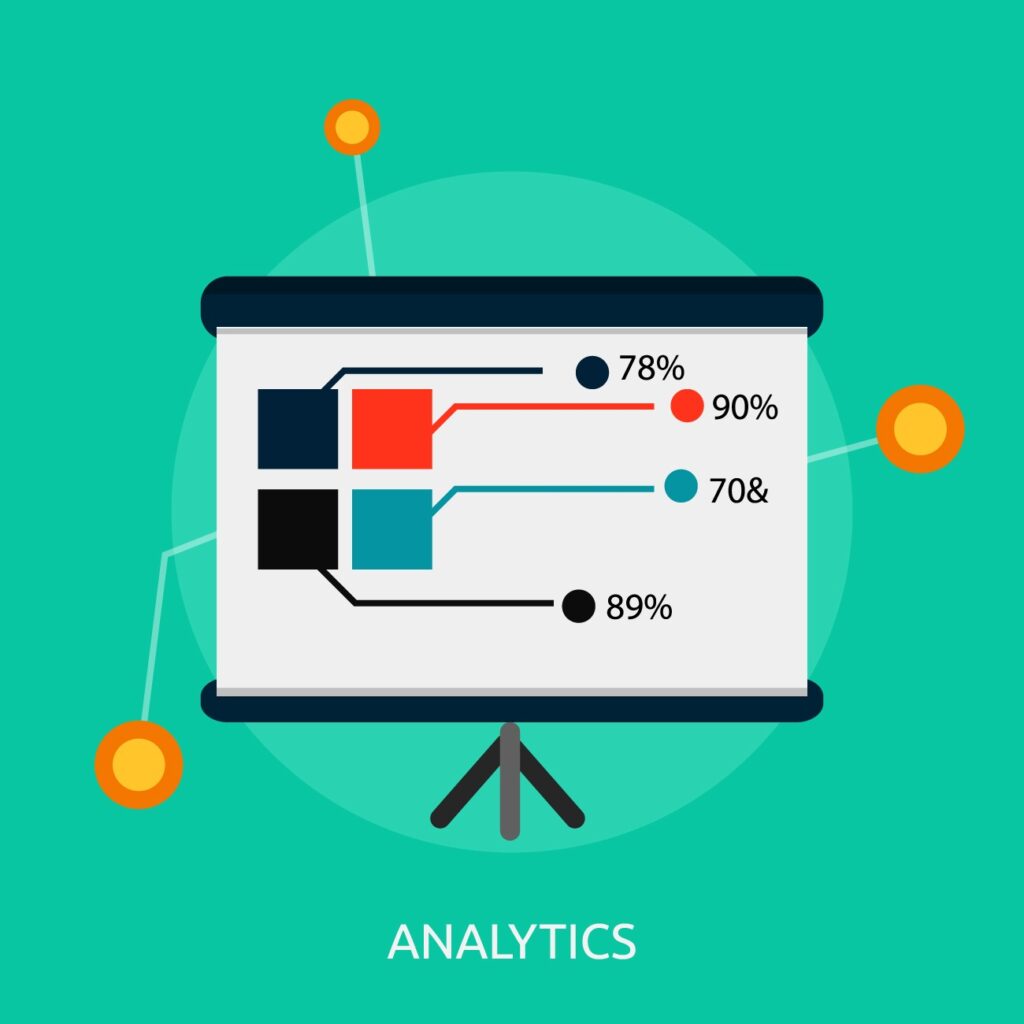
To know whether your CRO efforts are working, you need to track the right metrics. These numbers help you understand how visitors interact with your website and whether your changes are improving results.
Other helpful metrics include form completion rate, cost per conversion, revenue per visitor, and average order value. Together, these metrics show where visitors are dropping off, how much each conversion costs, and how much value your website is generating.
The goal is not to track every number possible. The goal is to focus on the metrics that connect directly to your business objectives, whether that is more sales, leads, demo bookings, free trials, or newsletter sign-ups.
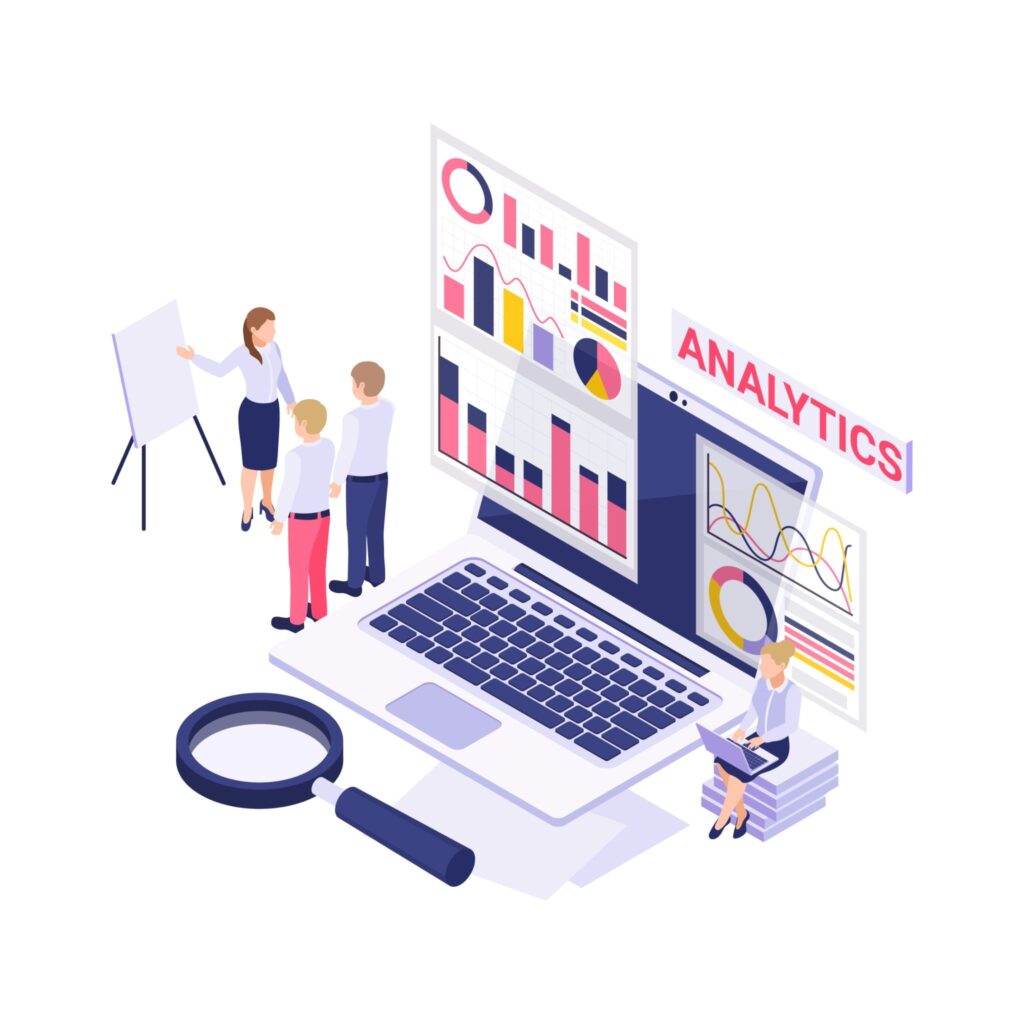
To better understand how CRO works, imagine a software company that gets steady traffic to its pricing page. Many visitors are interested enough to view the page, but only a small percentage sign up for a free trial.
Instead of assuming the problem is traffic, the company studies how users behave on the page. They notice that many visitors scroll through the pricing plans but leave before clicking the “Start Free Trial” button. This suggests that people may be interested but still unsure about taking the next step.
After reviewing the page, the company identifies a few possible issues. The headline does not clearly explain the value of the product, the call-to-action button is not very visible, and there are no customer testimonials near the pricing section. The sign-up form also asks for too much information upfront.
To improve the page, the company tests a few changes. They rewrite the headline to focus on the main benefit, make the call-to-action button clearer, add customer testimonials, and shorten the sign-up form.
After running the test, the updated page gets more free trial sign-ups from the same amount of traffic. The company does not need to spend more on ads or attract more visitors. It simply makes the page easier to understand, more trustworthy, and easier to act on.
This is the value of CRO. Small improvements to the user experience can help more visitors become leads, customers, or subscribers.
Conversion Rate Optimization is one of the most effective ways to turn website visitors into customers. Instead of focusing only on getting more traffic, CRO helps you make better use of the traffic you already have.
By improving your website copy, calls to action, page speed, mobile experience, trust signals, and overall user journey, you can make it easier for visitors to understand your offer and take the next step.
CRO is important because it helps businesses increase leads, sales, and revenue without always needing to spend more on advertising. It also improves the user experience, reduces friction, and helps you make smarter decisions based on real data instead of guesswork.
The best results come when CRO is treated as an ongoing process. Customer behavior changes, market conditions change, and your business goals may change too. By continually testing, learning, and improving, your website can become a stronger tool for business growth.
In the end, CRO is not just about improving numbers. It is about creating a better experience that helps the right visitors become confident customers.